
Private Money vs. Hard Money
Where the two terms overlap, where they genuinely differ, and how each one fits a DC-area deal.
Read the guidePrivate Money Lending
Private money loans for real estate investors in Washington, DC are asset-based loans underwritten on the investment property rather than the borrower’s personal income. DSCR Loans Direct, based in Waldorf, MD, provides private money lending through bridge loans, fix-and-flip loans, DSCR loans, and ground-up construction loans for non-owner-occupied investment properties across Washington, DC, Maryland, and Virginia.
Or call (866) 791-4411 — speak with a lending expert
A private money loan is financing provided by a private lender rather than a traditional bank, credit union, or government-backed institution. The defining characteristic is how the loan is underwritten: instead of focusing on the borrower’s employment history, W-2 income, or tax returns, a private money lender evaluates the investment property itself.
For real estate investors in Washington, DC, this distinction matters. The DC metro area moves fast, and conventional underwriting timelines often cost investors competitive deals. Private money lenders like DSCR Loans Direct make decisions based on property value, deal structure, and the investor’s exit strategy, not a 30-day income verification process.
Private money lenders evaluate real estate deals through a property-first lens. The key factors a lender like DSCR Loans Direct looks at include the current or projected value of the property, the loan-to-value ratio or loan-to-cost ratio depending on whether the deal is a purchase or a renovation, the investor’s exit strategy, and the property type and its location within the DC, Maryland, or Virginia market.
For a fix-and-flip in Prince George’s County, a lender looks at the after-repair value and whether the renovation budget makes sense for that neighborhood. For a rental acquisition in Rockville or Alexandria, the focus shifts to rental income potential relative to the loan amount. The lender is asking whether the deal makes sense on its own terms, not whether the investor can show a certain debt-to-income ratio.
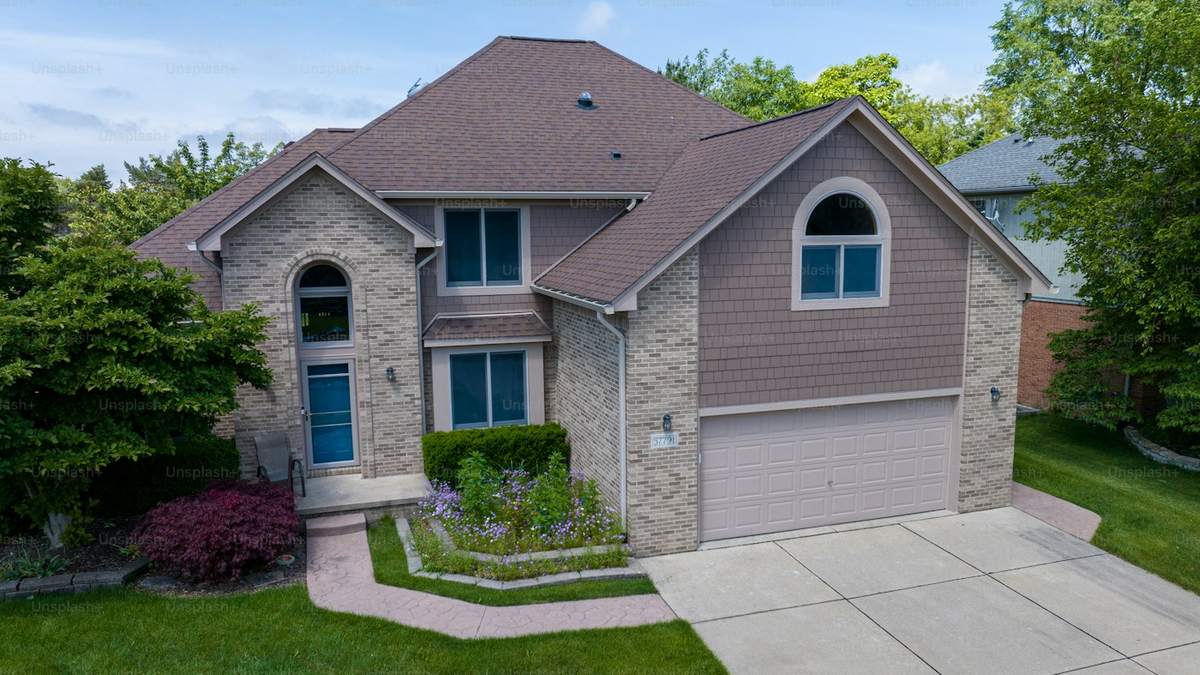
DSCR Loans Direct finances non-owner-occupied investment properties exclusively. Eligible property types include single-family rental homes, condominiums, townhomes, 2–4 unit residential properties, and multi-family assets across the DMV market. Every loan is structured around an investment property, never a primary residence.
The loan product that fits depends on the deal. Bridge loans cover acquisitions or repositioning before a permanent exit. Fix-and-flip loans fund the purchase and renovation of properties being resold. DSCR loans provide long-term financing for stabilized rentals, and ground-up construction loans support investors building from scratch in the DC metro area.
The differences are significant for real estate investors. A conventional mortgage from a bank requires documented W-2 income, a low debt-to-income ratio, and a lengthy approval process. A private money loan is underwritten primarily on the property’s value and the deal’s viability, without income verification requirements that slow down or disqualify many investors.
Speed is the other key difference. Investors who need to close on a competitive acquisition in Fairfax County or take advantage of a below-market property in Baltimore County cannot always wait for a 30-to-45-day conventional approval process. Private money lenders, because their underwriting is focused on the asset rather than the borrower, can close significantly faster.
For investors who are self-employed, own multiple properties, or reinvest profits rather than drawing a traditional salary, private money lending is often the most practical path to financing. See our comparison of hard money vs. DSCR loans to understand how these two private lending tools differ from each other.
Private money loans are structured around the deal type. A short-term bridge loan or fix-and-flip loan typically carries an interest-only payment structure during the loan term, with the principal repaid at exit through a sale or refinance. A DSCR loan used for long-term rental financing is typically amortized over 30 years with a fixed or adjustable rate tied to the property’s rental income.
Interest rates for private money loans are higher than conventional loans because the lender is taking on more risk and providing speed and flexibility in exchange. Loan-to-value ratios, points, and terms vary by deal, property type, and lender. Investors should evaluate the total cost of capital in the context of their projected return on the investment, not just the interest rate in isolation.
To understand how the bridge-to-DSCR path works as a two-step strategy, read our guide on bridge-to-DSCR loans in Washington, DC.
Tell us about the property and the financing you need. We’ll respond with next steps.
Questions
A private money loan is asset-based financing provided by a private lender rather than a bank or credit union. The loan is secured by the investment property and underwritten on the property’s value or cash flow rather than the borrower’s personal income.
Real estate investors in Washington, DC, Maryland, and Virginia use private money loans to acquire, renovate, or refinance investment properties faster than conventional financing allows. The borrower base includes fix-and-flip investors, rental portfolio builders, and experienced developers.
DSCR Loans Direct finances non-owner-occupied investment properties only, including single-family rentals, condos, townhomes, 2–4 unit properties, and multi-family assets. Owner-occupied properties do not qualify.
Because private money loans are underwritten on the property rather than the borrower’s personal income, they can close significantly faster than conventional loans. Speed depends on the deal, the completeness of the file, and the lender’s process.
Private money lenders typically do not require W-2s or tax returns. Qualification is based on the property’s value, the deal structure, and the borrower’s real estate experience rather than employment documentation. Read more on getting an investment loan without W-2s or tax returns.
Ready When You Are
Tell us about the property and the financing you need — we’ll respond with next steps.
Call (866) 791-4411The same qualifying questions we use for an initial funding review, one step at a time.