
Bridge-to-DSCR Loans
The two-step path investors use to buy, stabilize and then permanently finance a rental.
Read the guideFix & Flip
Private money loans for fix-and-flip properties in Washington, DC are short-term, asset-based loans that finance both the purchase and renovation of an investment property. DSCR Loans Direct provides fix-and-flip loans underwritten on the property’s after-repair value rather than the borrower’s personal income, for non-owner-occupied investment properties across Washington, DC, Maryland, and Virginia.
Or call (866) 791-4411 — speak with a lending expert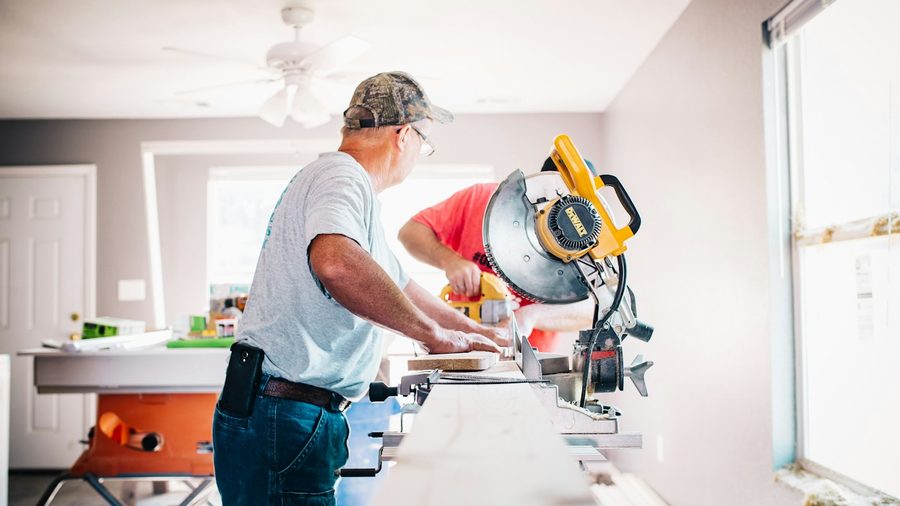
A fix-and-flip loan is a short-term, interest-only loan designed to fund the acquisition and renovation of a property that will be resold at a profit. Unlike a conventional mortgage, which is a long-term amortizing loan based on the borrower’s personal income, a fix-and-flip loan is based on the investment property’s current value, the proposed renovation budget, and the projected after-repair value.
The loan is structured to cover both the purchase price and the renovation cost, with renovation funds released in draws as work is completed. The investor pays interest only during the loan term, with the full principal due at payoff through the resale of the property.
To understand how fix-and-flip loans compare to other private lending products, read our guide on private money vs. hard money loans in Washington, DC.
A fix-and-flip lender evaluates the deal from the after-repair value back to the acquisition. The key question is whether the projected resale price, supported by comparable sales in the local market, is high enough to support the total loan amount at the lender’s maximum loan-to-value threshold and still leave adequate margin for the investor.
The lender looks at the purchase price, the renovation budget, the after-repair value, and the loan-to-cost ratio: the total loan amount as a percentage of the total project cost. Lenders also consider the investor’s experience, the feasibility of the renovation scope within the proposed timeline, and the local market conditions that will affect the resale.
In the Washington, DC metro area, lenders who understand specific submarkets such as Prince George’s County, Fairfax County, and Baltimore County can evaluate after-repair values with greater precision than out-of-market lenders who rely solely on automated valuation models.
Renovation funds are not advanced in full at closing. Instead, they are released in draws as specific scopes of work are completed and verified. The investor or general contractor submits a draw request, the lender or a third-party inspector confirms that the work described has been completed, and the funds are released for the next phase.
The draw schedule is typically established at closing based on the approved renovation budget and the planned construction milestones. Common draw milestones include rough framing, rough mechanical work (plumbing, electrical, HVAC), drywall, and finishes. Understanding the draw process before the loan closes is important, as delays in draw disbursements can slow a renovation timeline.
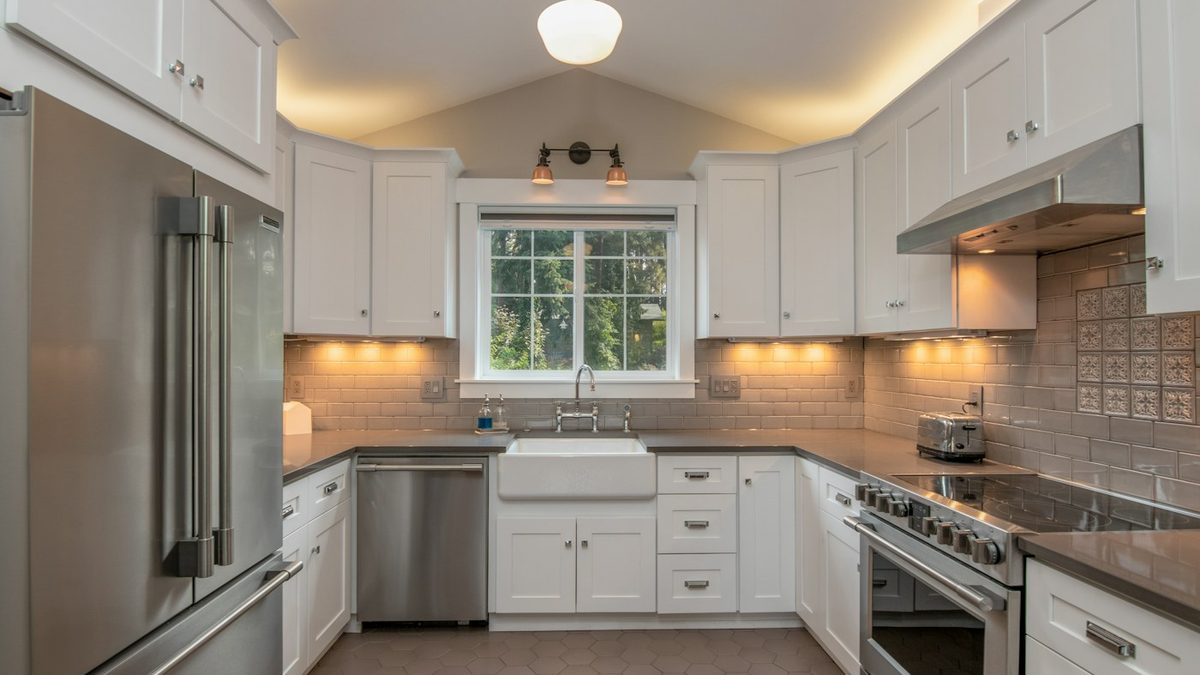
The after-repair value is the estimated market value of the property in its fully renovated condition, based on comparable sales of similar properties in the same neighborhood. It is the single most important number in a fix-and-flip deal because it determines the upper limit of what the lender will finance and sets the benchmark against which the investor’s projected profit is measured.
A realistic after-repair value requires accurate comparable sales data from the specific submarket where the property is located. Overestimating the after-repair value is one of the most common errors in fix-and-flip investing. Lenders mitigate this risk by ordering independent appraisals and applying a maximum loan-to-after-repair-value cap to ensure the loan is adequately secured.
Investors who want to hold a renovated property as a rental rather than selling it can transition from a fix-and-flip loan to a DSCR loan once the renovation is complete. Read our guide on refinancing a hard money loan into a DSCR loan in Washington, DC to understand how that transition works.
Fix-and-flip loans in the DC metro area are typically structured as interest-only loans with terms ranging from 6 to 24 months. The interest rate is higher than a conventional mortgage rate because the lender is taking on more risk with a short-term renovation loan on a non-stabilized property. Origination points are common and represent an upfront fee paid to the lender at closing.
Loan-to-cost ratios for fix-and-flip loans vary by lender and deal, but typical ranges run from 70 to 90 percent of the total project cost, including purchase price and renovation budget. The specific terms available through DSCR Loans Direct depend on the deal type, the after-repair value, and the investor’s experience and track record. To learn more about how to qualify, read our guide on hard money loans for Washington, DC investors.
Tell us about the property and the financing you need. We’ll respond with next steps.
Questions
A fix-and-flip loan provides financing for both the purchase and renovation of an investment property. The lender evaluates the after-repair value, approves a renovation budget, and releases renovation funds in draws as work is completed.
The after-repair value is the estimated market value of the property once renovation is complete. Lenders use it to determine the maximum loan amount and assess whether the projected resale price supports the loan.
Renovation funds are typically released in draws as specific scopes of work are completed and inspected. The investor or contractor requests a draw, the lender or inspector verifies the completed work, and the funds are released.
No. Fix-and-flip loans are underwritten on the property’s value, the after-repair value, and the deal’s viability, not the borrower’s personal income or employment history.
If a renovation runs over the original loan term, investors may request an extension from the lender. Extensions are common in construction and renovation lending and are typically granted if the project is progressing and the deal still pencils out.
Ready When You Are
Tell us about the property and the financing you need — we’ll respond with next steps.
Call (866) 791-4411The same qualifying questions we use for an initial funding review, one step at a time.